logo

Contact Engineering Services

Energy, Environment, Digitalization and Beyond !

CDM

ESG Vision

tb-1

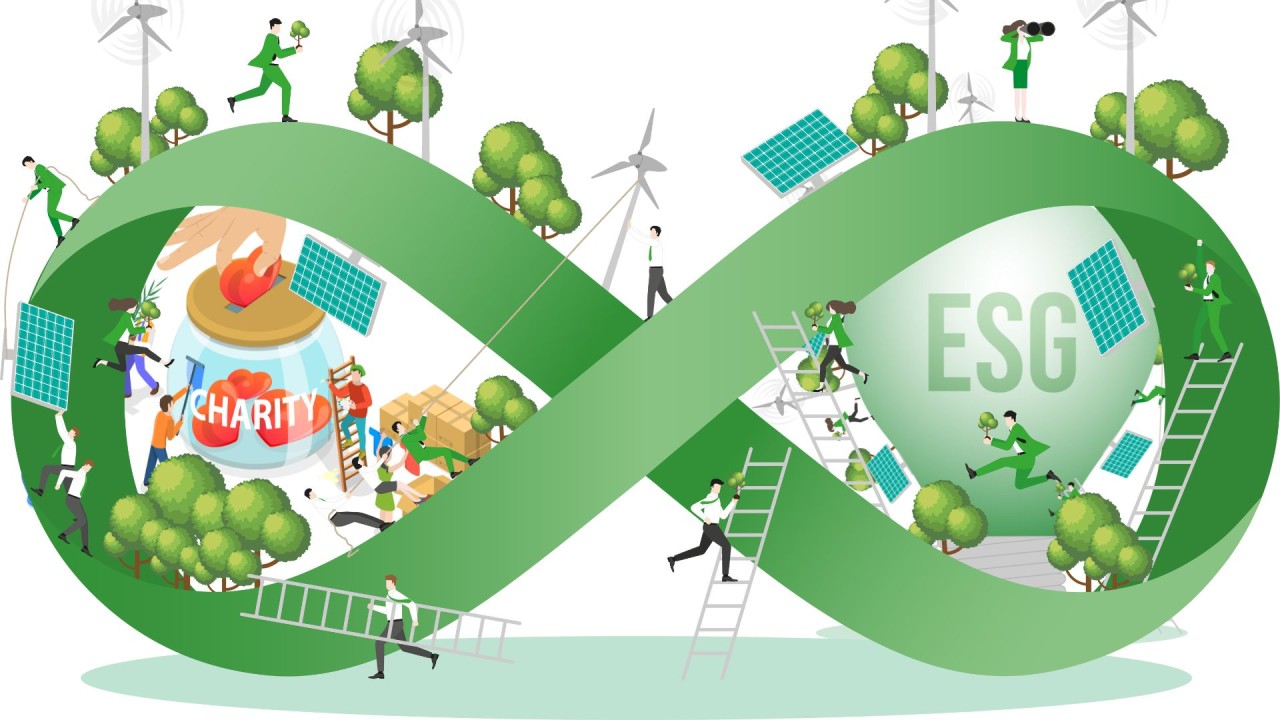
Philanthropy has traditionally been about the "what" - achieving specific social goods through donations. However, a new trend is emerging that focuses not only on the causes themselves but also on the impact of the organizations receiving the funds. This trend involves integrating Environmental, Social, and Governance (ESG) factors into philanthropic decision-making.

Why the Shift?

Sustainability Concerns: Donors are increasingly concerned about the long-term impact of their giving. They want to ensure their contributions address social issues while minimizing environmental harm and promoting responsible practices. Transparency and Accountability: Donors seek greater transparency from organizations they support. ESG factors provide a framework for evaluating the governance of an organization, ensuring responsible use of funds and ethical practices. Aligning Values: Many donors want their giving to align with their personal values. ESG factors allow them to support causes that promote environmental responsibility, social justice, and good governance. Benefits of ESG-focused Philanthropy Maximizing Impact: By considering ESG factors, donors can ensure their contributions have a more sustainable and positive long-term impact. Effective Partnerships: Donors can build stronger partnerships with organizations that share their commitment to ESG principles. Catalytic Effect: By prioritizing ESG, donors can encourage philanthropic organizations to adopt more sustainable and responsible practices. How Philanthropists Can Integrate ESG Factors Research: Investigate the ESG practices of potential beneficiaries. Look for information on environmental policies, diversity and inclusion efforts, and financial transparency. Engage: Ask questions about how organizations incorporate ESG into their operations. Collaboration: Work with other donors to develop common ESG criteria for evaluating potential recipients.


Practical Steps Involved


Set Clear ESG Goals: Define what ESG factors are most important to you. Whether it’s environmental sustainability, social justice, or governance, having clear goals will guide your philanthropic strategy.

Use ESG Evaluation Tools: Utilize tools and frameworks like the ESG criteria provided by organizations such as the Global Reporting Initiative (GRI) or the Sustainability Accounting Standards Board (SASB).

Monitor and Adapt: Continuously monitor the impact of your contributions and be open to adapting your strategy. ESG integration is an evolving process, and staying informed about new practices and standards is crucial.

Balancing ESG Priorities: Not all organizations will excel in all ESG areas. It’s essential to balance priorities and recognize that some trade-offs may be necessary.

Measuring Impact: Quantifying the impact of ESG-focused philanthropy can be challenging. Developing robust metrics and relying on third-party evaluations can help ensure that contributions are making a meaningful difference.

Engaging Stakeholders: Effective ESG integration requires engaging with various stakeholders, including beneficiaries, other donors, and the organizations themselves. This collaboration can lead to more comprehensive and impactful philanthropic efforts.


Practical Projects


EP-2 EP-2 cdm-3 EP-2 EP-2 EP-2

Lahore Oasis School

Certificates Distribution to the Summer Camp 2025

Image 1 Image 2 Image 4 Image 5 Image 6 Image 7 Image 3

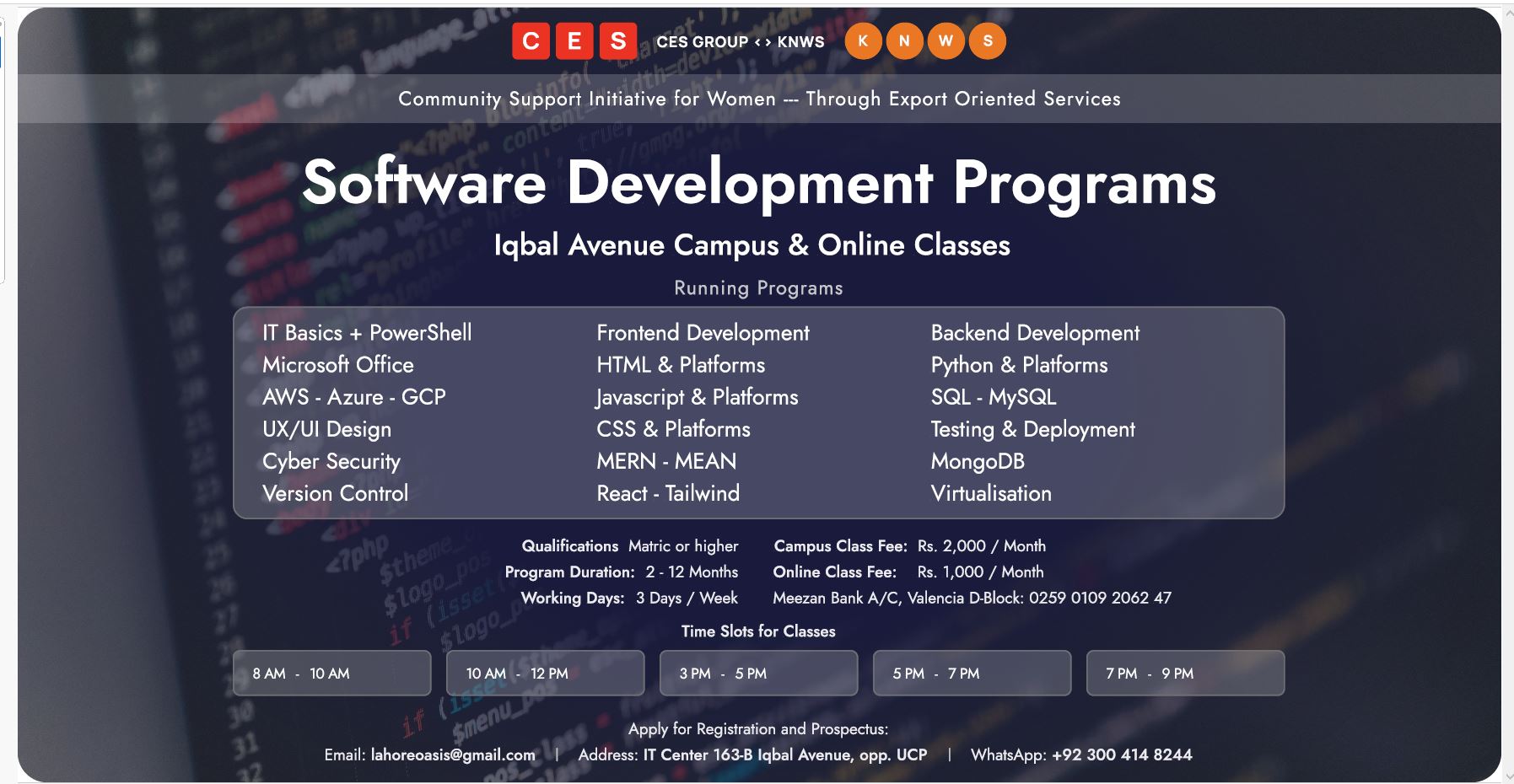
Online IT Classes

online Classes

Web Development


iman

Financial Assistance

For the desrving candidates; Educational Institutes Are Registered:

  1. Home Charity Trust, AWT-II, Lahore
  2. Madrasa Lilbanat, Chubergi, Lahore
  3. Madrasa Dare Mustafa, Bagarian, Lahore
  4. Madrasa Dare Maryam, Bagarian, Lahore
  5. CSN School For Especial Childern, Iqbal Avenue, Lahore